TPO Roofing Guide: Benefits, Costs & Tips
Date
2026-01-10 11:30:04
Category
Roof
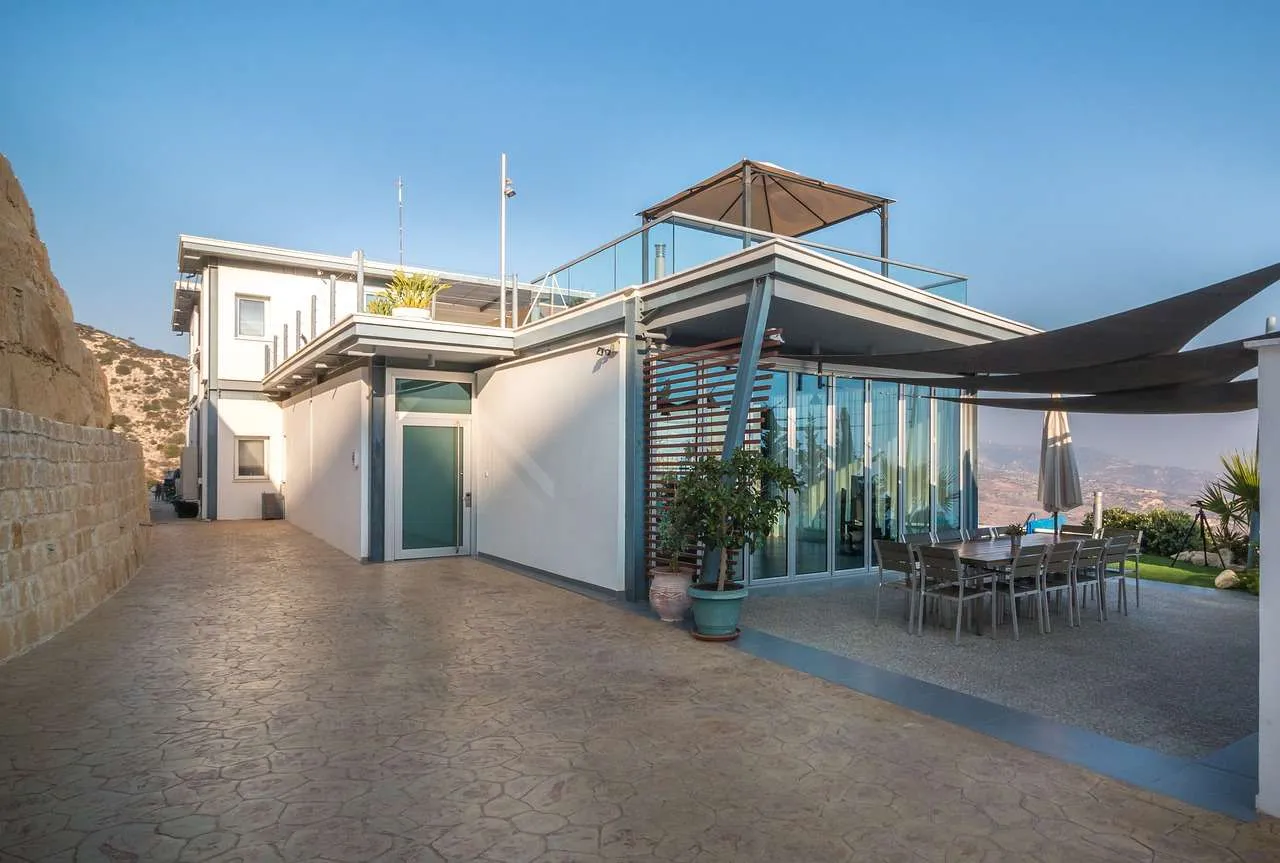
As buildings seek durable, cost-effective roofing, tpo roofing stands out for flat and low-slope roofs. This guide explains what tpo roofing is, its benefits, installation considerations, maintenance, costs, and how to choose a trusted installer.
What is tpo roofing?
tpo roofing, short for thermoplastic olefin, is a modern single-ply membrane used on many commercial roofs and increasingly on residential projects with flat or low-slope decks. The membrane is composed of a polyester or fiberglass reinforcement layer sandwiched between a thermoplastic polymer top and bottom. The seams are heat-welded on site, creating a monolithic, watertight surface that can endure UV exposure, weather, and chemical contact. Typical tpo membranes come in white or light gray to maximize reflectivity and energy savings.
Benefits of tpo roofing
- Energy efficiency: Its reflective surface reduces cooling loads in warm climates, often lowering utility bills.
- Durability: Robust seam welding and UV resistance contribute to long-term performance.
- Cost-effectiveness: Lower material costs relative to PVC and a simpler installation generally keep total costs competitive.
- Lightweight and flexible: Suitable for retrofits and roofs with limited structural load capacity.
- Repairability: Damaged sections can be replaced or field patched with compatible materials.
- Environmentally friendly options: Some systems use recycled, recyclable materials and low-VOC adhesives.
Installation considerations
Proper substrate preparation is essential. The roof deck should be clean, dry, and free of ponding water. Insulation and vapor barriers must be compatible with the chosen TPO system. Seams are heat-welded with a hot-air welder, forming a strong bond that resists water intrusion. Flashings around skylights, vents, penetrations, and edges must be integrated with continuous welds for integrity. In commercial settings, crews typically fasten or ballasts the membrane as required by climate and code. The installation window is sensitive to weather; high humidity and cold temperatures can affect seam quality.
Life span, maintenance, and warranties
With quality installation and periodic care, tpo roofing commonly delivers 15 to 25 years of service, and often longer in favorable climates. Some premium systems reach 30 years with proper maintenance. Routine inspections should focus on seams, flashings, punctures, and debris buildup. Clear away leaves and dirt that can retain moisture near edges. Most manufacturers offer material warranties, often 10 to 30 years, and some installers provide workmanship warranties. Read warranty terms to understand coverage for UV exposure, punctures, and seam failures.
Costs and return on investment
Installed costs for tpo roofing vary by climate, roof size, complexity, and thickness (typical membranes range from 45 to 60 mil). On average, residential and light commercial projects may range from five to nine dollars per square foot installed. Larger flat-roof projects, complex details, or upgrades to reflective coatings can influence price. Although upfront costs matter, the energy savings from high reflectivity and longer service life contribute to a favorable return over time.
Choosing a contractor
To secure a durable result, work with a licensed, insured contractor who specializes in single-ply membranes. Request three references, visit completed sites, and review recent warranties. Verify that installers have training in heat welding and that the project team will provide a written warranty covering materials and workmanship. Ask about maintenance plans and how they handle repairs after severe weather. Confirm that the associated roof components—insulation, flashing, and ventilation—are compatible with the TPO system you select.
Comparison at a glance
| Type | Composition | Reflectivity | Durability | Typical Cost | Notes |
| TPO | Thermoplastic olefin single-ply | High | Good to excellent | 5-8 per sq ft | Heat-welded seams; wide color selection available |
| EPDM | Ethylene propylene diene monomer rubber | Moderate | Excellent | 4-7 per sq ft | Often black; lower reflectivity unless white |
| PVC | Polyvinyl chloride single-ply | Very High | Excellent | 7-11 per sq ft | Strong chemical resistance; more costly |
| Asphalt shingles | Fiberglass/organic with asphalt | Low | Moderate | 3-6 per sq ft | Best for pitched roofs; not typical for flat systems |
Conclusion, tpo roofing offers a balanced mix of energy efficiency, durability, and cost for flat and low-slope roofs. Its heat-welded seams provide a reliable barrier against moisture, while its reflective surface helps lower cooling costs in hot climates. Proper installation by a qualified contractor, routine inspections, and warranty protections are essential to maximize lifespan and protect your investment. Compare options, weigh long-term savings, and choose a system that aligns with your building’s needs and environmental goals.
Related Articles

Roofing and Roof Repairs: A Trusted Guide
Read More >